Facilities overview
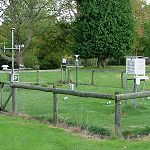 Our three research forests are areas designated for long-term monitoring, set within public forests being managed as normal for a range of purposes – from timber to recreation. With excellent legacy datasets spanning decades, plus well established collaborations between forest managers and scientists, these forests are ideal test beds for experimentation, case studies, silviculture demonstrations and comparative research.
Features and benefits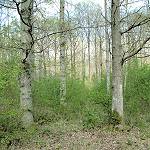
- Choice: a range of study sites typical of the most significant woodland types in the UK
- Legacy data: extensive historical monitoring datasets cover a wide range of forest parameters (flora, fauna, climate, growth, carbon fluxes etc.) and put your research into a known environmental framework with unprecedented opportunities for long-term trend analysis and comparisons
- Interdisciplinarity: practical, everyday insights of forest managers and operators to support your study designs
- Attractive partner: our intimate knowledge, experience and data on the forest plots help to broaden the scope of research proposals, attracting funders with fast-track translation of research in to operational practice
- Public visibility: highlight projects and disseminate scientific findings to public visitors to research forest areas
Discover our forests
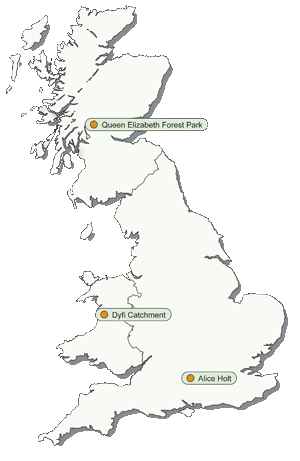
- Alice Holt Forest (Hampshire, England)
Britain’s first research forest, set up in 2006 in conjunction with Forest Enterprise in England.
- Dyfi Catchment and Woodland Research Platform(Gwynedd, Wales)
Launched in March 2012 in association with Forestry Commission Wales and Aberystwyth University.
- Queen Elizabeth Forest Park (Stirlingshire, Scotland)
Launched in March 2014 in association with Forestry Commission Scotland.
Why use a research forest?
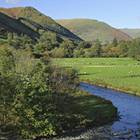 Research forests have been designed to encourage the participation of all those interested in forestry research. Application to work in these forests is particularly welcome from those in other research institutions and the university sector, both at home and abroad.
Benefits of working in research forests
 If you would like more details on the research forests or to discuss the possibility of carrying out research at them, please see the contact information on the respective locations pages above.

The Research Forest project is managed within the Integrated Forest Monitoring research programme, funded by the Forestry Commission.