to Forestry Commission home page
to Forest Research home page
Forest Research home > Research > Protecting trees > Oak decline / dieback > Chronic oak decline > Biotic and abiotic factors

Oak defoliators

Biotic factor that contributes to oak decline

Oak trees carry a wide diversity of insect species, most of which remain ‘in balance’ with their host trees and cause very little damage.  However, if episodes of severe defoliation are a regular factor this could affect the vulnerability of oak trees to the complex of factors that contribute to the overall decline syndrome.

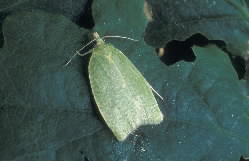
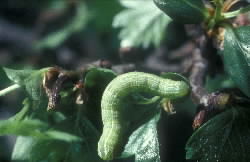
Most notable among the early season defoliators are oak leaf roller moth Tortrix viridana (below left) and winter moth Operophtera brumata (below right). Both species have egg hatch time to coincide with bud burst in the spring and the young larvae feed on the newly expanding leaves.  When numbers are high, complete defoliation of trees can occur, but a second flush of leaves later in the season partially offsets the negative effect on trees.  However, it is likely that severe defoliation does reduce the ability of trees to defend themselves from attack by other agents.

TORTRIX VIRIDANA. Adult oak leaf roller moth.Larva of winter moth - Operophtera brumata

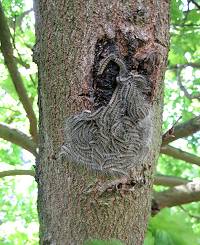
The recent arrival of oak processionary moth Thaumetopoea processionea (below) from continental Europe, and which is currently restricted to the London area, may add a further highly damaging defoliator species to the range of damaging leaf-feeding pests on oak.

Oak processionary moth larvae aggregating on trunk of an oak